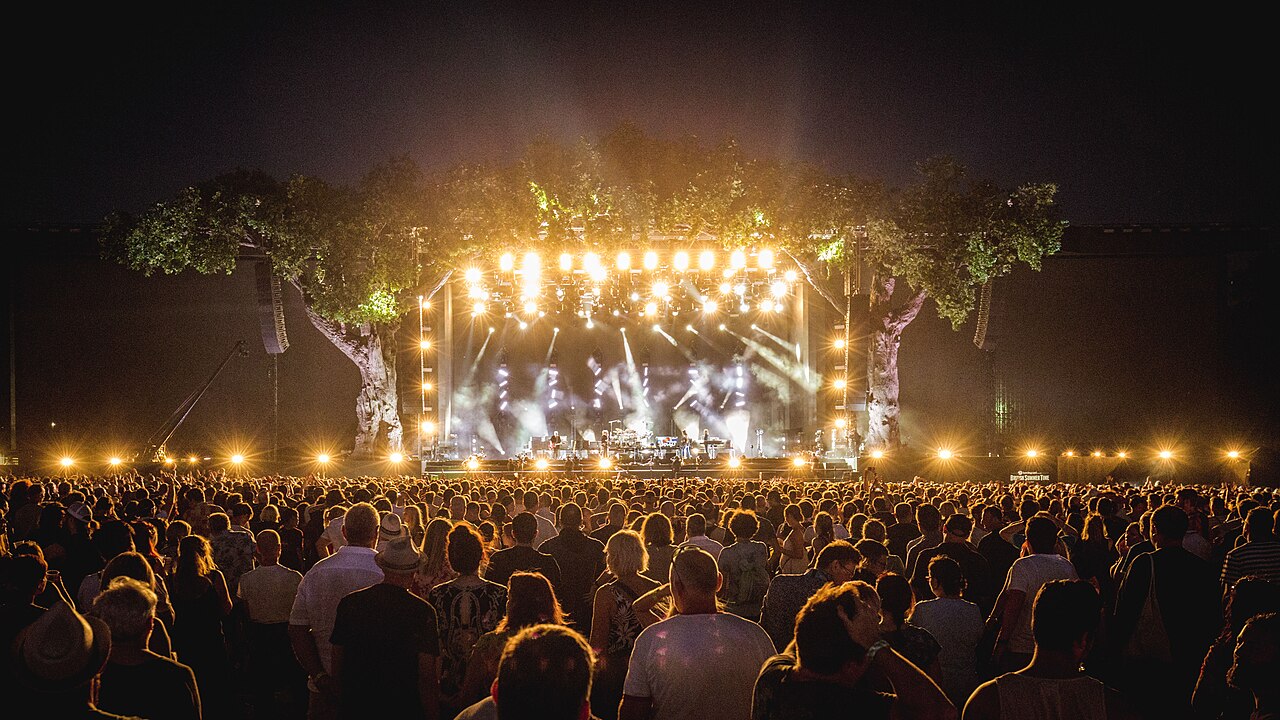
Hyde Park Festival: A Celebration in London’s Iconic Green Space

Hyde Park Festival is a vibrant event held in one of London’s most famous and historic parks. Known for hosting large-scale music concerts, cultural celebrations, and family-friendly activities, the festival transforms Hyde Park into a hub of entertainment. Whether you’re a fan of live music or a first-time visitor to London, the festival offers an unforgettable experience in a stunning outdoor setting.

Hyde Park itself has a rich history dating back to 1536 when it was acquired by King Henry VIII as a hunting ground. Today, it’s one of London’s eight Royal Parks, spanning 350 acres of lush greenery, serene lakes, and iconic landmarks like the Serpentine and Speaker’s Corner. The park has served as a backdrop for numerous historic events, making it an ideal location for the festival.

The Hyde Park Festival typically takes place during the warmer months, often in late spring or summer. Visitors can expect an eclectic mix of performances, from world-renowned artists to local talent. Food stalls, craft markets, and art installations are also part of the festivities, creating a dynamic atmosphere that caters to all ages. Past festivals have featured legendary acts like The Rolling Stones, Taylor Swift, and Adele, drawing thousands of attendees from around the globe.

FAQs About Hyde Park Festival

When does the Hyde Park Festival take place? The festival usually occurs in late spring or summer, with specific dates announced annually.
How do I get tickets? Tickets can be purchased online through the official festival website or authorized ticketing platforms.
Is the festival family-friendly? Yes, the event often includes activities and facilities suitable for children, such as play areas and kid-friendly performances.
What’s the best way to get to Hyde Park? The park is easily accessible via public transport, with nearby Underground stations like Hyde Park Corner, Marble Arch, and Lancaster Gate.

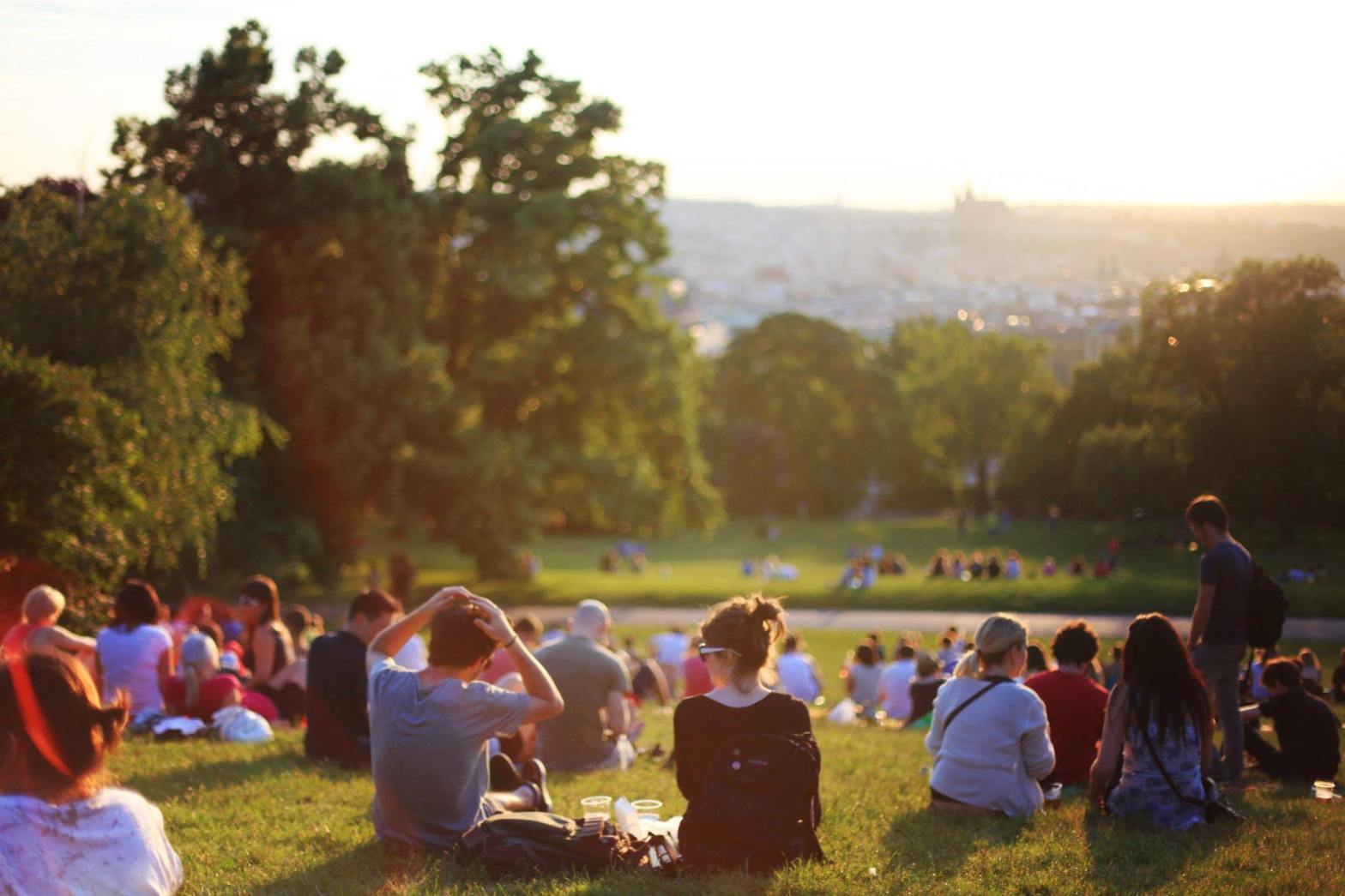
Whether you’re a music lover or simply looking to experience London’s lively cultural scene, the Hyde Park Festival is an event worth adding to your itinerary. Beyond the festival, take time to explore the park’s historic landmarks, hire a pedal boat on the Serpentine, or relax with a picnic under the shade of its ancient trees. It’s a celebration of London’s heritage, music, and community spirit all in one place.

By Lackerj – Own work, CC BY-SA 4.0, https://commons.wikimedia.org/w/index.php?curid=74700435
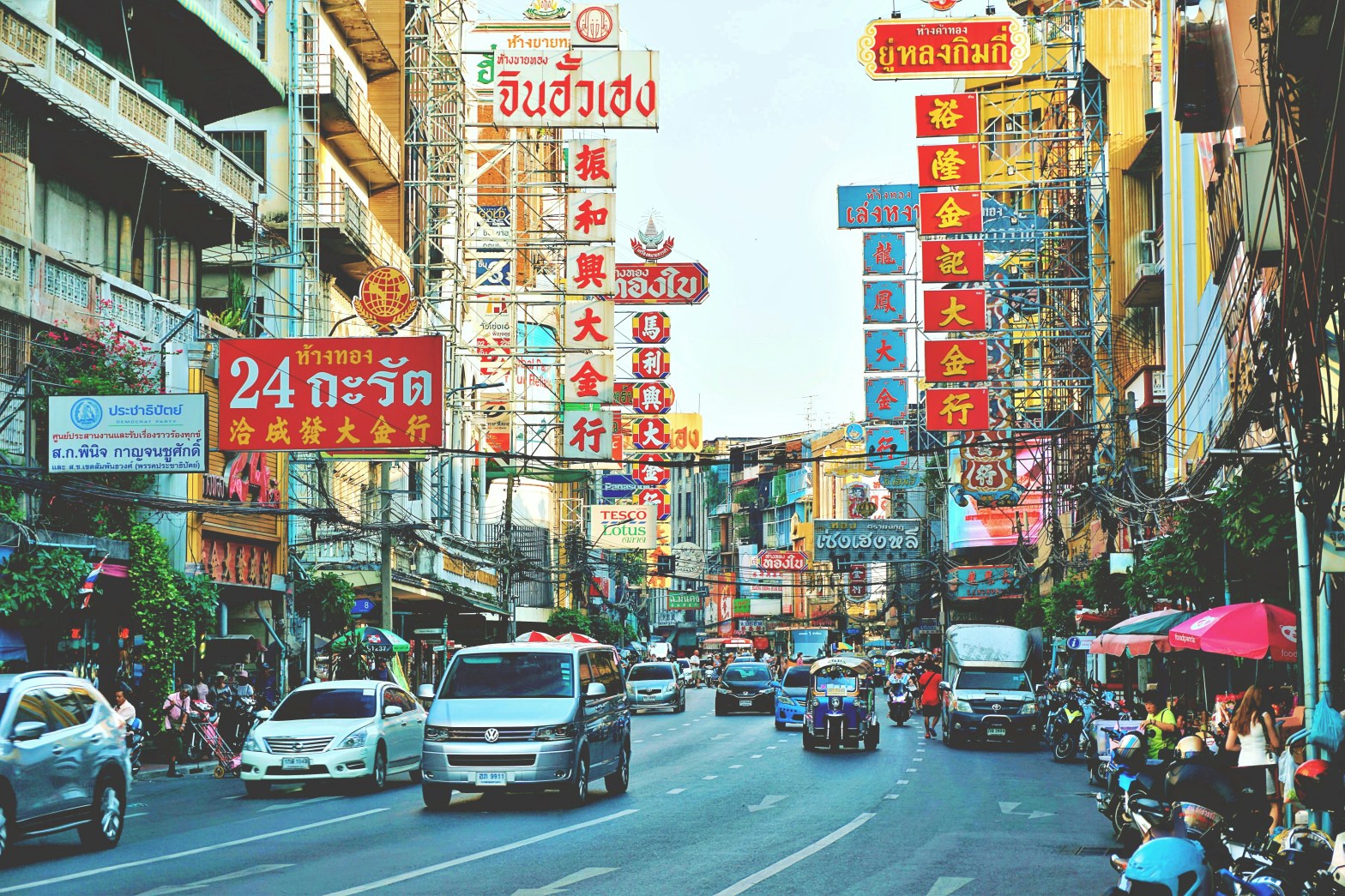
Exploring the Vibrant and Historic Chinatown in Bangkok

Chinatown in Bangkok, known as Yaowarat, is a vibrant and bustling area teeming with history, culture, and, of course, food. With its origins dating back to 1782 when Bangkok was founded, it’s a must-visit destination for any eager traveler.

The labyrinthine streets of Chinatown are an exciting blend of the old and the new. Here, you’ll find ancient temples sitting alongside modern shops, a testament to the area’s ability to adapt and evolve over centuries. One such historic site is the Wat Traimit, home to the world’s largest solid gold Buddha statue, which dates back to the 13th century.

Commonly asked questions about Chinatown Bangkok often revolve around its food scene. Known as the street food capital of the world, Chinatown comes alive at night with food stalls offering everything from traditional Thai dishes to Chinese delicacies. Tourists often ask, “What’s the best food to try?” The answer is subjective, but popular choices include dim sum, Peking duck, and mango sticky rice.

Chinatown is also famed for its markets. The Sampeng Market is a must-visit, offering a wide variety of goods from fabrics to toys, while the Klong Thom Market is perfect for those seeking electronics and car parts. These markets not only provide shopping opportunities but also a glimpse into the daily life of locals.

Another unique feature of Chinatown is its vibrant festivals. The most significant of these is the Chinese New Year celebration, where the streets of Chinatown are transformed into a sea of red and gold, with lion dances, dragon parades, and fireworks.

So, whether you’re a history buff, a foodie, or simply a curious traveler, Chinatown in Bangkok offers an array of experiences that are sure to captivate. Its rich history, diverse food scene, and bustling markets make it an unforgettable destination that beautifully encapsulates the spirit of Bangkok.

Is Thai Food Halal?

Traveling to Thailand and wondering, “Is Thai food Halal?”. Thailand, known for its vibrant culture and mouth-watering cuisine, has a significant Muslim population and hence a demand for Halal food. So, if you’re a Muslim traveler or simply prefer Halal food, you’re in for a treat!

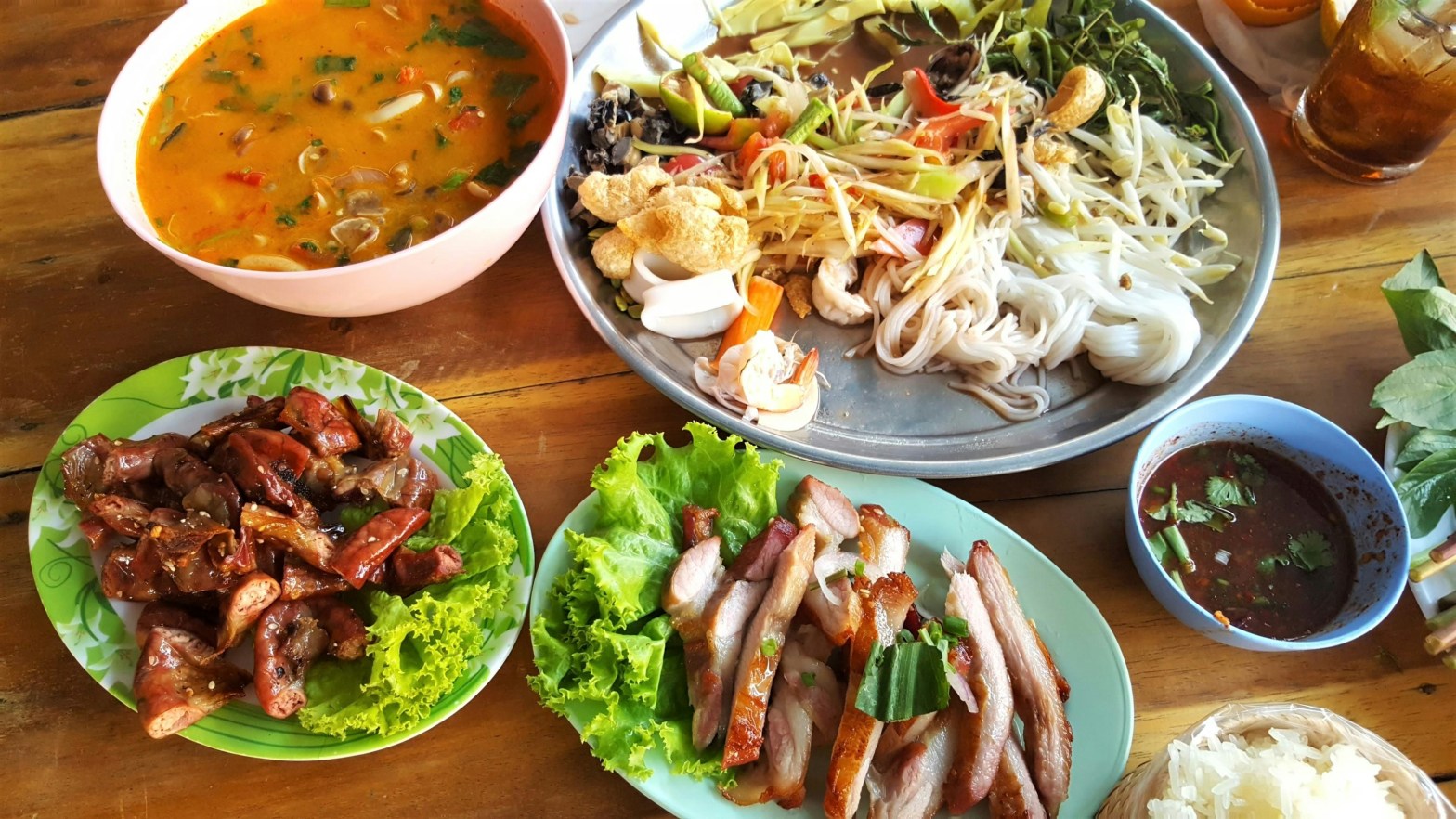
Thailand’s gastronomy is an exciting blend of flavors, and Thai Halal food is no exception. Historically, Southern Thailand has a significant Muslim population, and this has influenced the local cuisine, making Halal food a common feature. Thai Halal food includes not only traditional dishes but also street food and snacks, ensuring there’s something for every palate. If you’re visiting Thailand, trying out the Halal versions of famous Thai dishes like Pad Thai, Green Curry, or Tom Yum Soup can be a unique gastronomic adventure.

To enjoy Halal Thai food, look for restaurants with a ‘Halal’ sign or certification from the Central Islamic Council of Thailand (CICOT). Major cities like Bangkok, Phuket, and Chiang Mai have a good number of Halal restaurants. Additionally, food delivery apps in Thailand also have options for Halal food.

FAQs

  1. What is Halal food?
    Answer: Halal food is prepared as per Islamic dietary laws, which means the animals are slaughtered in a specific way and certain ingredients are avoided.
  2. Is all Thai food Halal?
    Answer: No, not all Thai food is Halal. However, Halal versions of most Thai dishes are available.
  3. Where can I find Halal Thai food?
    Answer: Halal Thai food is widely available in major cities and in Southern Thailand, which has a significant Muslim population.
  4. How to identify Halal food in Thailand?
    Answer: Look for a ‘Halal’ sign or certification from the Central Islamic Council of Thailand (CICOT) in the restaurant.
  5. Are there Halal street food options in Thailand?
    Answer: Yes, there are numerous Halal street food options available, especially in areas with a significant Muslim population.

The journey of discovering Halal Thai food is not just a culinary adventure, but also a cultural exploration. It’s fascinating how dietary preferences can influence a region’s cuisine and vice versa. This exploration doesn’t stop at Halal Thai food. Thailand, with its rich cultural heritage and diverse culinary scene, has so much more to offer. So, go ahead, and immerse yourself in this gastronomic paradise!

3 London’s Iconic Attractions

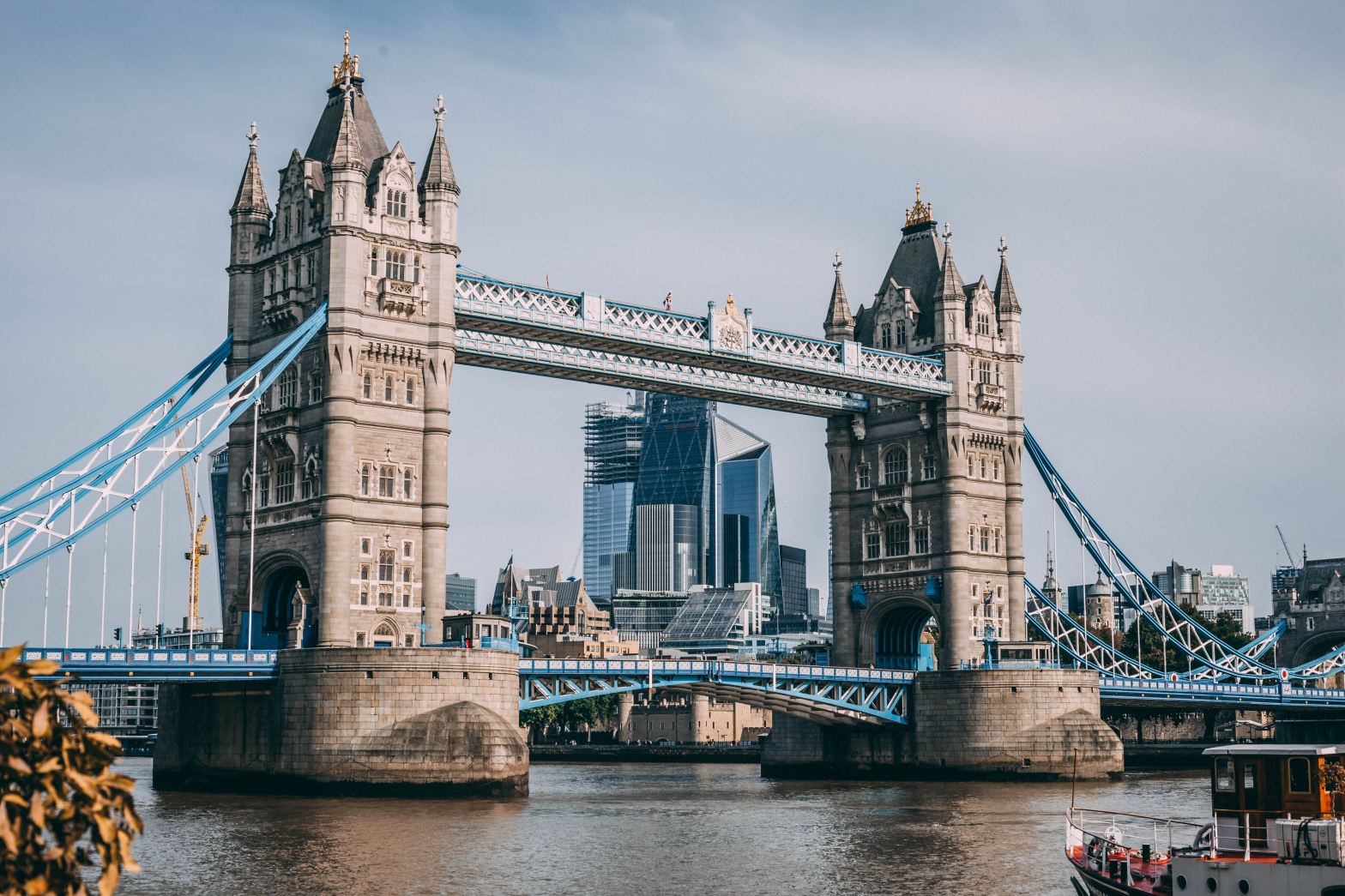
Welcome to the vibrant and diverse city of London, where history and modernity seamlessly blend together. This post will take you on a virtual tour of three of London’s most iconic attractions: the British Museum, the Tower of London, and the London Eye. Whether you’re a history buff, a fan of stunning architecture, or simply someone who enjoys breathtaking views, these three attractions have something to offer for everyone.

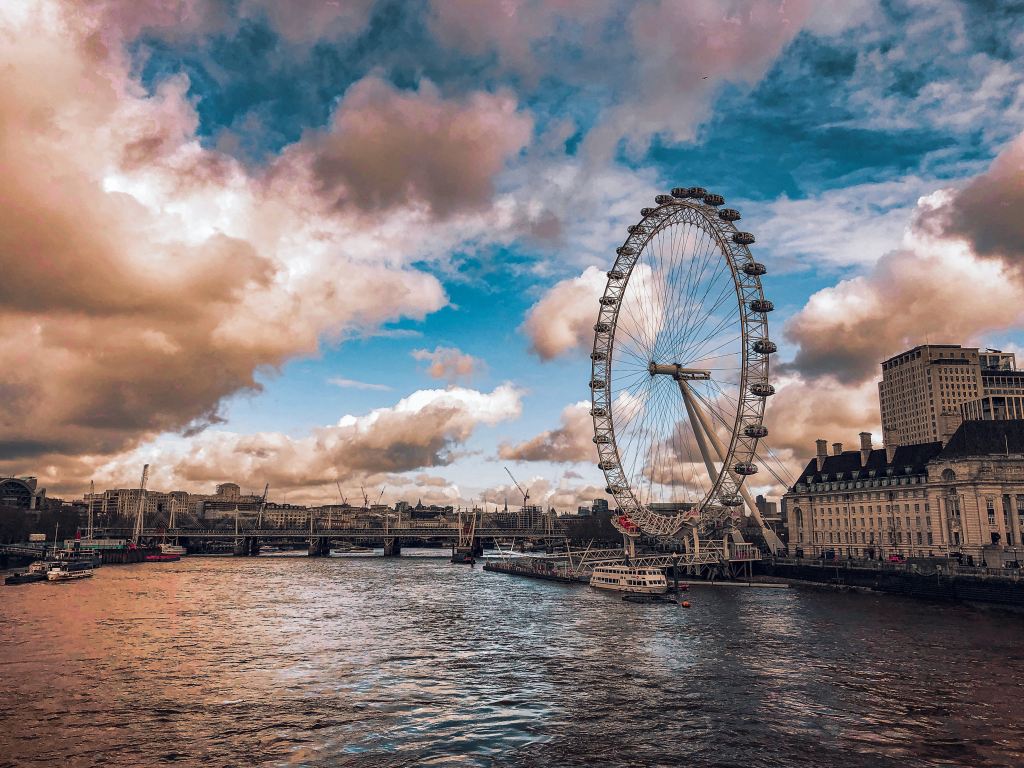
The British Museum, founded in 1753, is a treasure trove of world history and culture, housing millions of works from all continents. The Rosetta Stone, the Elgin Marbles, and the Egyptian mummies are just a few of the many artifacts that await you. Next, step back in time at the Tower of London, a historic castle located on the north bank of the River Thames. It’s known for its role as a royal palace, prison, treasury, and even a zoo! Lastly, for a panoramic view of the city, head to the London Eye, a giant Ferris wheel on the South Bank of the River Thames.

Reaching these attractions is quite straightforward. The British Museum is located in the Bloomsbury area, accessible via the Tottenham Court Road or Holborn tube stations. The Tower of London is a short walk from the Tower Hill tube station. For the London Eye, the nearest station is Waterloo, but it’s also easily walkable from Embankment and Charing Cross stations.

FAQs:

  1. Are these attractions open year-round? – Yes, though hours may vary and it’s always best to check their official websites for the most current information.
  2. Are guided tours available? – Yes, all three attractions offer guided tours.
  3. How much time should I allocate for each attraction? – At least 2-3 hours for each, depending on your interest level.
  4. Are there dining options available? – Yes, there are cafes and restaurants at all three locations.
  5. Is there an entry fee? – The British Museum is free, but the Tower of London and the London Eye charge an admission fee.

In this city where every corner has a story to tell, these three attractions are just the beginning. London is a city that never fails to captivate and surprise, offering endless possibilities for exploration and discovery. So why wait? Start planning your trip to London and immerse yourself in the rich tapestry of history, culture and beauty that this city has to offer.

As you embark on this journey, remember that the real charm of London lies not just in its iconic landmarks, but also in its quaint neighborhoods, its eclectic food scene, and its vibrant arts and culture. So go ahead, delve deeper, and discover your own London.

Is Thai Food spicy?

In this blog post, we will explore the question of whether Thai food is spicy. We will provide insights into the spiciness of Thai cuisine, its history, and motivations for trying it. Additionally, we will guide you on how to reach Bangkok, the capital city of Thailand, where you can indulge in the flavors of authentic Thai dishes.

Thai Food: Is it Spicy?
Thai cuisine is renowned for its bold flavors and vibrant spices. While it is true that Thai food can be spicy, not all dishes are fiery-hot. Thai cuisine offers a wide range of flavors, from mild and aromatic to tongue-tingling and fiery. It is a perfect balance of sweet, sour, salty, and spicy elements that create a unique culinary experience.

History and Motivations:
Thai cuisine has a rich history influenced by neighboring countries like China, India, and Malaysia. The use of herbs, spices, and chilies in Thai cooking can be traced back to ancient times. The spicy nature of Thai food is believed to have originated from the need to preserve and enhance the flavors of ingredients in the tropical climate.

Trying Thai Food in Bangkok:
To experience the authentic flavors of Thai cuisine, there is no better place than Bangkok. The city is a food lover’s paradise, offering a plethora of street food stalls, local markets, and fine dining restaurants. From the world-famous Pad Thai to the fiery Tom Yum soup, Bangkok has it all. Don’t forget to try the iconic Green Curry and Massaman Curry, which showcase the perfect balance of spices.

How to Reach Bangkok:
Bangkok is well-connected internationally, with two major airports, Suvarnabhumi Airport and Don Mueang Airport. Several airlines offer direct flights to Bangkok from major cities around the world. Once you arrive, the city’s efficient public transportation system, including the Skytrain and metro, makes it easy to navigate and explore.

FAQs:

  1. Is all Thai food spicy?
  • No, Thai food ranges from mild to spicy, offering something for everyone.
  1. Can I request less spice in my Thai dish?
  • Yes, most Thai restaurants are accommodating and can adjust the spice level to your preference.
  1. What are some non-spicy Thai dishes?
  • Try dishes like Pad See Ew (stir-fried noodles), Mango Sticky Rice, or Tom Kha Gai (coconut soup) for milder flavors.
  1. Are Thai curries always spicy?
  • Thai curries can be spicy, but you can choose the level of spiciness when ordering.
  1. How can I build my tolerance for spicy food?
  • Start with milder dishes and gradually increase the spice level to build your tolerance.

To truly appreciate the flavors of Thai cuisine, it is best to try it firsthand. Visit Bangkok and immerse yourself in the vibrant street food culture, explore local markets, and savor the authentic flavors. Don’t miss the opportunity to indulge in the diverse culinary delights that Thailand has to offer.

Discover the Beauty of Benjakitti Park, Bangkok – An Oasis of Calm in the City

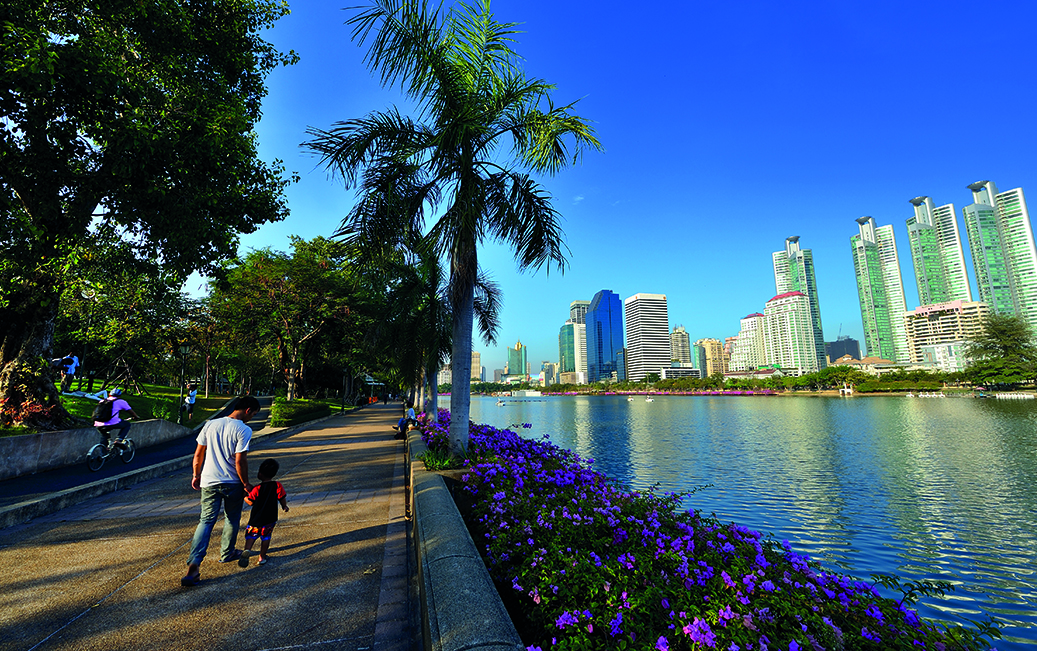
If you’re looking for a tranquil oasis in the heart of Bangkok, look no further than Benjakitti Park. With its convenient proximity to many of the city’s most recognisable attractions, this tranquil park is the perfect spot to escape the frenetic pace of urban life. Opening to the public in 2004, Benjakitti Park is one of Bangkok’s more recent green spaces. There is a large lake (Lake Ratchada) in the park that acts as its centrepiece, and a trail that encircles the lake that can be used for jogging, cycling (with rental bikes available), and other activities.

Benjakitti Park has activities and attractions suitable for visitors of all ages. Enjoy the broad areas and abundant greenery as you stroll leisurely around the park. In terms of amenities, there are elevated walks, wetland areas, rare plant regions, bike routes, and an outdoor amphitheatre. The park connects to Lumphini Park through a 1.3-kilometre elevated pedestrian walkway and cycling route in its southwestern corner.

Benjakitti Park also has something for the kids. From outdoor play areas to a large playground, there’s plenty to keep the little ones entertained. There’s also a skate park for those looking for a bit of adventure.

There are plenty of luxury hotels nearby for those who want to be close to the park but also experience the city’s beauty. You may take in the views and sounds of the city while enjoying a meal at one of the many eateries that are conveniently located near the park. You can move about without having to hail cabs or look for transportation since many of the dining options are located near public transit.

Benjakitti Park is the perfect place to go if you’re searching for a quiet retreat. From its beautiful lake and lush green spaces to its wide range of activities and nearby attractions, Benjakitti Park is an excellent destination for locals and visitors alike.

By Mr.Peerapong Prasutr – Work created under contract with the Department of Tourism, Ministry of Tourism and Sports. Published with author’s permission, CC BY-SA 4.0, https://commons.wikimedia.org/w/index.php?curid=38195803

Hyde Park London

Hyde Park is a large park located in London, England. It is located southwest of central London, between Kensington Gardens on its western side and Bayswater Road on its eastern side.

Hyde Park is the largest park in the centre of London, covering approximately 350 acres (142 hectares), and is known simply as “The Park.” The park was originally created as a hunting ground for the royalty of England, and has since evolved into one of the most popular tourist destinations in London. This park is popular among out-of-town guests and residents who want to get away from the hustle and bustle of the city for a while.

The park is divided by Hyde Park Corner, where Lancaster Gate meets Grosvenor Place, with roads running east-west across it. The eastern section contains many Grade I listed buildings, including Speakers’ Corner, while the western section contains many Grade II listed buildings, such as Marble Arch and Albert Memorial.

Taking a stroll in Hyde Park London

You may go for a stroll and forget about the hustle and bustle of the city, or you can sunbathe, skate, or ride a bike.

Rentable deck chairs are provided at the park for those who want to relax but would prefer not to lay on the grass.

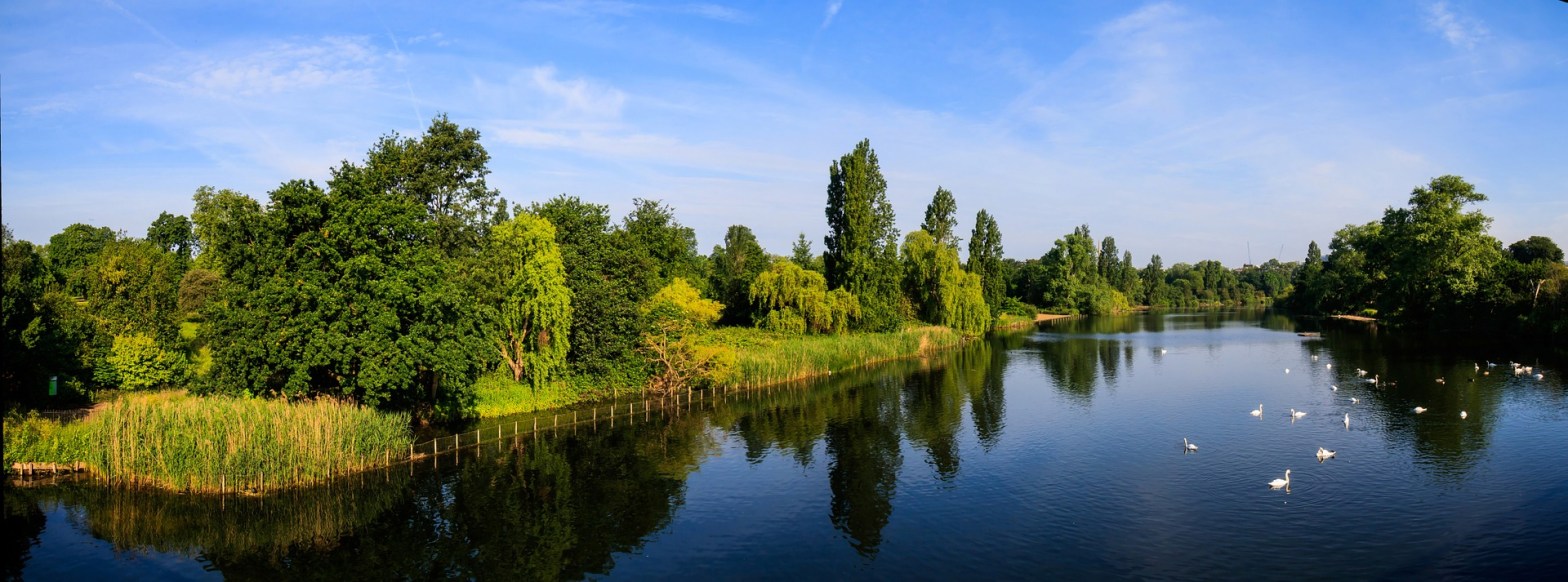
Boating on the Serpentine Lake, a little paradise populated by many types of animals, is a popular activity for visitors and Londoners alike.

Concerts are only one of many summertime activities that take place at Hyde Park

The Royal Botanic Gardens at Kew

Kew Gardens is the largest UNESCO World Heritage Site in London. Here is why the most diverse collection of plants is the perfect day out in the city. 

Why visit the Royal Botanic Gardens at Kew

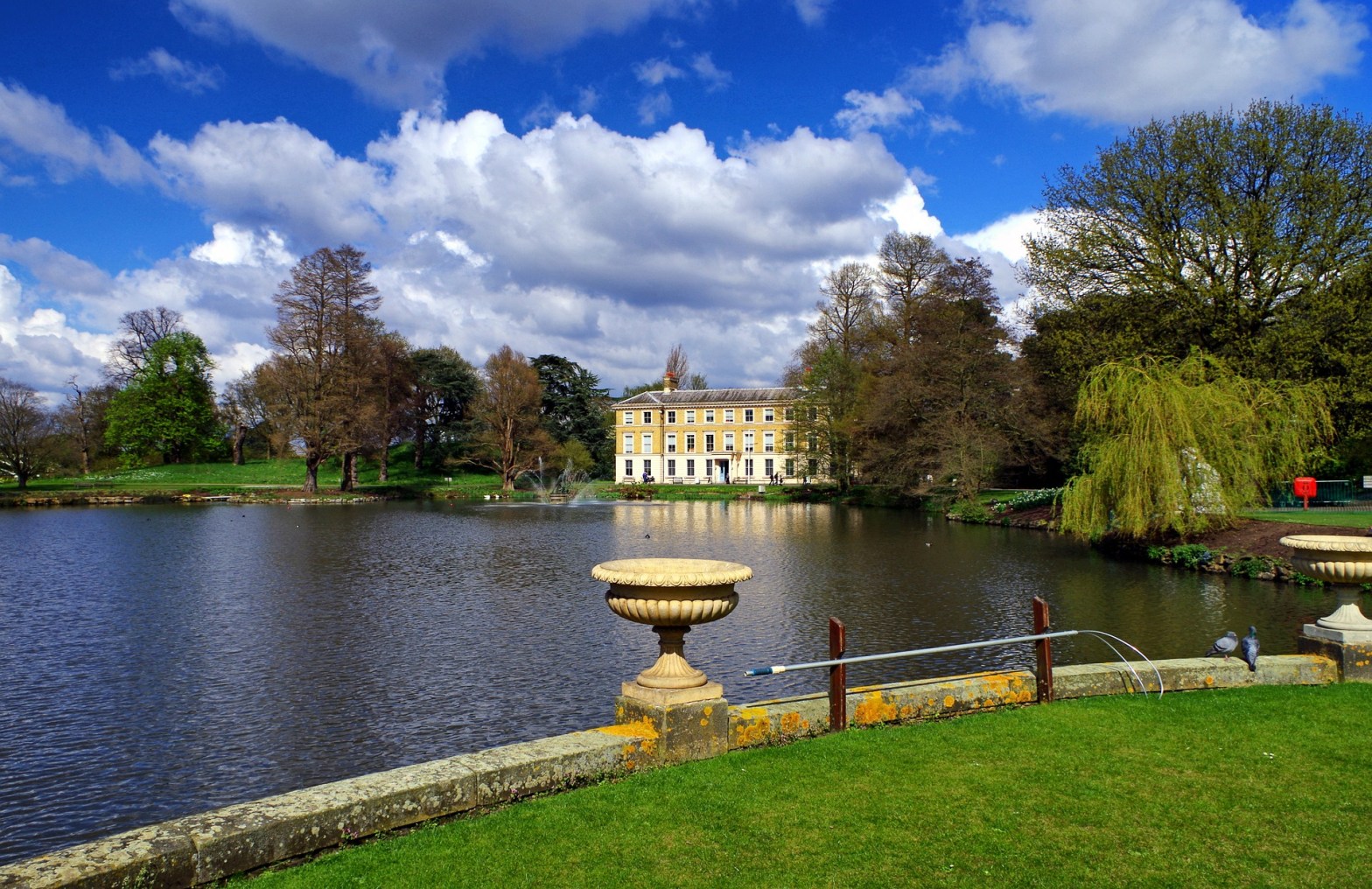
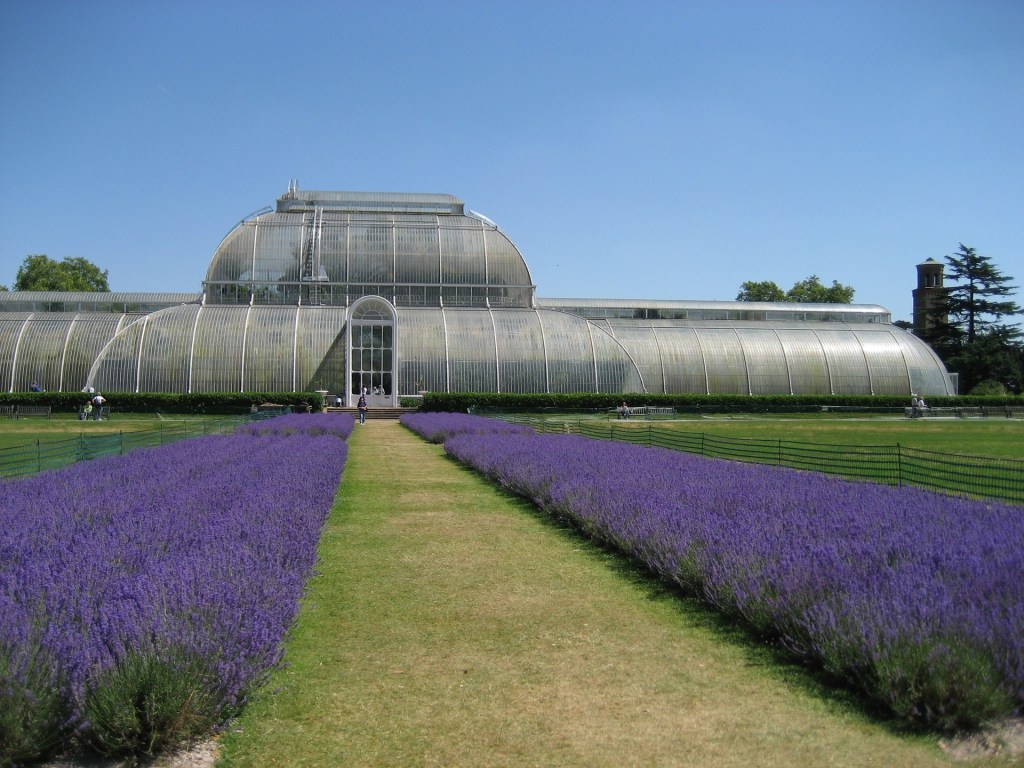
If you are looking to get away from the hustles and bustles of London, the Kew gardens present the perfect escape. Some of the attractions to discover include the giant lily pads at Winterlily House, the exotic rainforest at Palm House, 10 world climatic zones at the Princess of Wales Conservatory, the 59ft high Treetop Walkway that offers a spectacular bird’s eye view of the Kew Gardens, and more than 60,000 plants at the Great Broad Walk Borders. The Kew Gardens is also home to the Kew Palace, where King George used it as a summer residence. Visitors can also explore the Wakehurst wild botanic garden, which has over 500 acres of diverse plants from all over the world. Visitors can also explore the ancient terrain Rock Walk and the sublime beauty of Bethlehem Wood. The Wakehurst wild botanic garden is also the largest seed conservation project in the world. Kew Gardens also features cafes and restaurants where visitors can enjoy delicious treats, tasty food and even take advantage of special offers

How to get to Kew Gardens

Kew Gardens is easily accessible through the tube, rail or road, and is just 30 minutes from central London. The gardens open at 10 am and closes at 6 pm every day, but closing times will vary according to various seasons. 

With hundreds of acres of woodland of exotic plants and trees, the Royal Botanic Gardens at Kew are is the perfect escape from the hustles and bustles of the city.

A short history of Hyde Park, London

We explore the rich history of the largest and oldest park in Central London, Hyde Park, and explore some of the things you can see or do

Covering 350 Acres (142 hectares), Hyde Park, which is one of the Royal Parks in London, positions itself as the largest park in Central London. It is also the oldest park in the city that has witnessed numerous events such as gun salutes, protests, concerts, Royal occasions, and housed duels. It is a major attraction for tourists and locals, who come here to relax, unwind, skate, cycle, sunbathe and enjoy fresh air, among other things. Westminster Abbey once owned the land where the park sits until it was confiscated by Henry VII in 1536 and transformed into private hunting grounds for the royals. It was opened for the public in the 17th century when Charles I ascended to the throne.

Notable events in the Park

As the oldest park in Central London, the park has witnessed some notable events. One of them is habitants of the city camping in the park to escape the Great Plague in 1665. Another event was when the wife of George II, Queen Caroline, ordered the park to be reconditioned to create The Serpentine, a lake covering 11.34 Hectares. The park was also a huge ground of jubilations when Prince Regent organised a fireworks display in 1814 to celebrate the end of the Napoleonic Wars. The park also hosted to the Great Exhibition in 1851 to celebrate industrial revolutions. It was also the host of the Silver Jubilee Exhibition to honour the 25-year reign of Queen Elizabeth II.

What to do and where to stay

There is no doubt that this historical park offers many things for its visitors to see and do. If you intend to visit Hyde Park London, you may want to find accommodation at the nearby Royal Lancaster London to enjoy the luxurious services, elegance, and comfort. Finding accommodation near the park will ensure you get the most of your visit here. You can check out for the many events being held at the park, opt to visit the speakers’ corner to witness debates, visit the Rose Garden to smell the scents of flowers at the spectacular gardens or take your little ones to the dedicated Children’s playground among others.

The rich history and numerous things you can do at the largest park in London means you will always be spoilt for choice.

Bangkok and Muay Thai: tradition, history and where you can see it

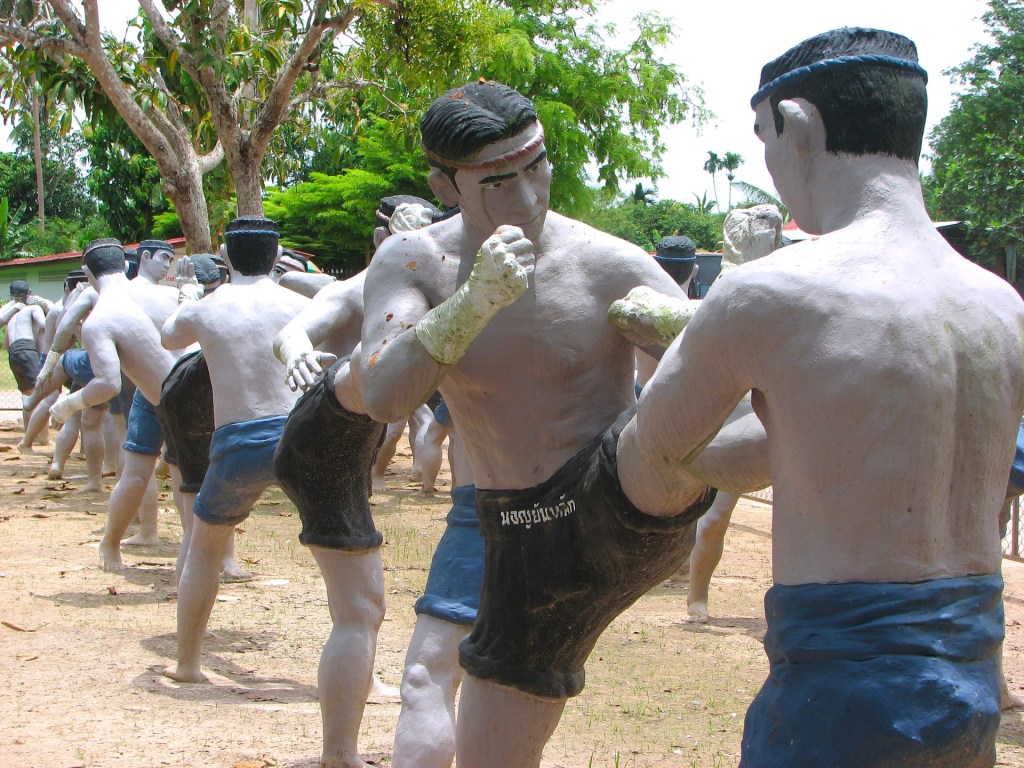
Are you a fan of crazy and out of this world fighting and combat? Muay Thai is quite vigorous. Also known as “Art of the eight limbs” martial arts is considered as the best sport in Bangkok. Traditional dances and music precede muay Thai fights; thus, you learn Thai history.

Here are the traditions, history and where you can see it.

The history

During the Buddhist years, Siam capital faced constant threats of war from neighbouring tribes. As a means of defence, they formed an army in 1238 to protect their capital. The soldiers were taught full-body combat as well as the use of weapons.

Learning the martial arts become engrained in Siamese people and eventually evolved to Muay Thai. Muay Thai gained popularity from the common people as well as the royals and high-class citizens. The first king of Sukhothai sent his two sons to Samakorn to learn the arts.

Life of a Muay Thai

Training begins early in childhood, even below eight years. The training is ingrained into everyday routines such as waking up early and practising fitness and fighting daily. Throughout their career, fighters participate in hundreds of matches.

The arts require a lifetime form of commitment to be successful. For most poor people, Muay Thai was used as an alternative to school children.

Respect and Spirituality.

As is the tradition to pass down the art from the master to the trainee, fighters have a deep respect for their masters. The masters train them on mental strength, fighting skills, dedication, and commitment and also bless their students.

Also, Muay Thai holds a spiritual significance to Thai people. They are believed to provide protection as well as luck to the community. Monks often trained in the arts and passed on their techniques together with spiritual teachings.

Where to find Muay Thai

There are several places where you can watch the authentic fight at its highest level. The Rajadamnern, Lumpinee and Channel 7 stadiums guarantee a memorable experience of Muay Thai.

You can also try your own practice of the art, for instance, in the Landmark Bangkok city Hotel fitness club.

Conclusion

Developed hundreds of years ago, Muay Thai is now a national sport in Thai and cultural martial art. The art became more than a means of defence to part of the life of Thai.

Although practised by the poor as a way out of poverty, it is also a source of entertainment and spirituality. Experiencing the martial arts is a good way to understand its history and traditions.